







The short answer
- Four hours of housework a week is roughly nine full days a year handed back.
- The mental load — noticing, planning, delegating — is the part people miss most once it is gone.
- Dust, damp and mould are the indoor factors that routine tidying does not touch.
- Grit in carpet and limescale on fittings are wear, so removing them protects what you own.
- A written standard plus photo review means the result does not drift month to month.
What’s in this guide
Nobody hires a cleaner because they want a tidier house. They hire one because they are tired of losing Saturday to it, or of being the only person in the household who notices the bathroom. The tidiness is the visible part; it is rarely the part that changes anything. What actually changes is the arithmetic of your week, the load on the air indoors, the lifespan of things you have already paid for, and one recurring argument that simply stops happening. Those are worth being specific about.
The hours you get back, counted properly
Start with the number, because it is larger than people expect. A typical household spends three to five hours a week on cleaning proper — not tidying, not laundry, not cooking. Take four hours as a midpoint:
| Period | Hours | In other terms |
|---|---|---|
| A week | 4 | A long evening |
| A month | ~17 | Two working days |
| A year | ~208 | Around nine full days |
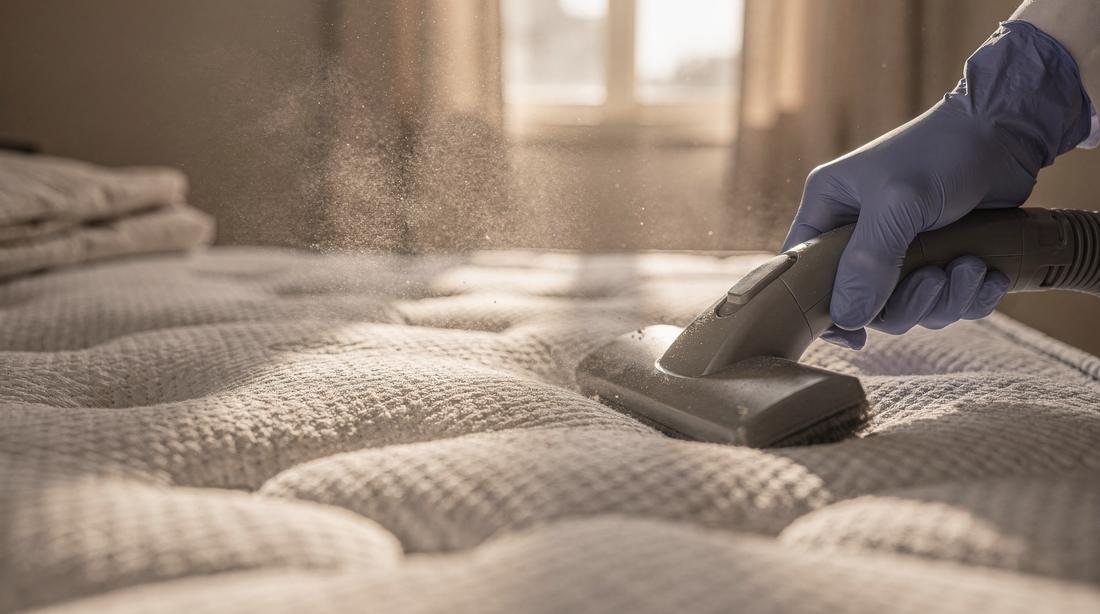
Nine days. That is the item actually on the table — and it does not come back to you as an abstraction. It comes back as specific Saturday mornings.
There is a second effect that is less obvious: a professional working to a fixed route and with proper equipment simply gets through the work faster than you do. Two hours of trained work covers what takes an untrained afternoon, so the hours you buy are not the hours you were spending.
The mental load nobody counts
Housework has a second cost that never shows up in the hours: being the person who notices. Tracking what is overdue, deciding when the bathroom crosses the line, remembering the oven, planning around it, and — in most households — asking someone else to do their share.
The relief people describe after a few months is almost never "the house is cleaner". It is "I stopped thinking about it".
This is the benefit that customers raise unprompted, and it is the one nobody anticipates when comparing prices. A recurring visit externalises the noticing. The bathroom is not your responsibility to monitor any more; it is on a schedule.
Dust, damp and what you breathe indoors
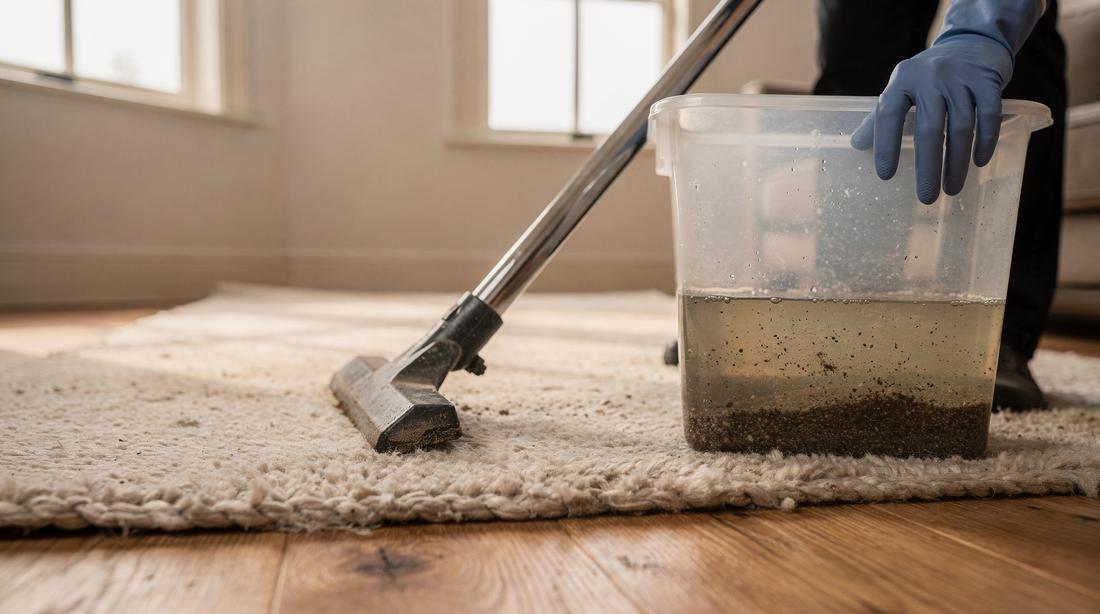
Tidying moves objects. It does not affect the three things that actually determine the state of the air inside a home: dust, damp and mould.
- Dust and dust mites live in textiles — mattresses, sofas, carpets, curtains. Surface cleaning does not reach them; extraction does.
- Pet dander settles into soft furnishings and rebuilds within days, which is why pets move a household up a frequency tier.
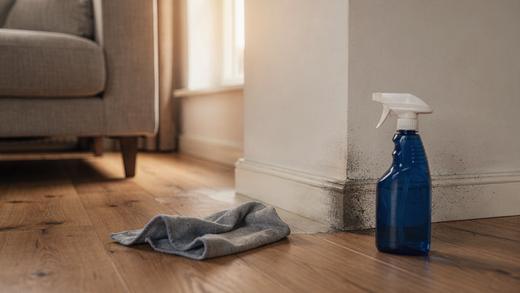
- Damp and mould start where moisture sits: grout, silicone, window rebates, a blocked bathroom extractor. All four are on a deep-clean list and none are on a tidying list.
- Kitchen grease becomes airborne while cooking and settles on cupboard doors and walls, where it hardens if left.
If anyone in the household has asthma or a dust allergy, this stops being about appearance. Regular removal of dust and dander, and treating damp before mould takes hold, is the practical part of managing an indoor environment — and it is exactly the part that gets skipped when cleaning is squeezed into a Sunday.
ℹ The one job worth doing even if you do nothing else
Check that your bathroom extractor actually pulls air, and dust the grille. A blocked extractor is the most common single cause of recurring bathroom mould in Dutch homes, and it is a five-minute job that prevents a repair.
Protecting what you have already paid for

This one is straightforwardly financial. Dirt is not neutral; a lot of it is abrasive or corrosive, and left in place it shortens the life of things you own.
- Grit in carpet acts like sandpaper underfoot, cutting fibres every time someone walks across it. Extraction removes it; vacuuming takes the top layer.
- Limescale on taps, shower screens and heating elements etches surfaces and reduces appliance efficiency. It gets harder to remove the longer it sits.
- Baked-on grease in an oven eventually stops responding to normal degreasing at all.
- Hard-floor sealant wears faster under grit and standing water.
- Mould in silicone means replacing the bead rather than cleaning it.
A sofa, a wool rug and a fitted kitchen are among the more expensive things in most homes. Maintaining them is cheaper than replacing them, and that is all regular cleaning is doing here.
A standard that does not drift
The everyday problem with cleaning — your own or anyone else's — is that the standard slides without anyone deciding to let it. Each week is fractionally below the last, and nobody notices until the house needs a full reset.
Working to a written standard is what stops that. Ours is set down room by room, every visit is confirmed on site with an NFC check-in, and every finished area is photographed and reviewed before the job is called done — so a missed corner is caught while the team is still in the building rather than after a complaint. You can see how the whole system works on how we work.
✓ Why documentation is the actual product
Any company can say the work was done well. The useful question is whether you can check. A written standard, a check-in that proves attendance, and photographs of each finished area turn "clean" from a claim into a record.
One less thing to negotiate
In shared households, cleaning is one of the most reliable sources of low-grade friction — not because anyone is unreasonable, but because two people rarely hold the same threshold for when a job is due, and the person with the lower threshold ends up doing more and resenting it.
Putting it on a schedule removes the negotiation rather than winning it. There is nothing to divide, nothing to remind anyone about, and no one keeping score. For a lot of households that is worth more than the hours.
Is it worth it?
Set against the real list — nine days a year, the mental load, a lower allergen load, furnishings that last longer, and one argument that stops — the arithmetic is usually less marginal than it looks from the price alone.
€ What it costs
Regular home cleaning is priced per visit, set from your own checklist at the onboarding, depending on whether you go weekly, bi-weekly or monthly — see the plans. If the house needs a reset first, one deep clean starts from €260 incl. VAT, with a fixed all-in price from our manager after a short visit. The work depends on the state of the home, so the price is set on site rather than quoted as a flat total.
Not sure which frequency fits? Our guide to how often to have your home cleaned works it out by household type. Or get your exact price — the cleaning is usually this week or next.
Frequently asked questions
How much time does a cleaner actually save?
A typical household spends three to five hours a week on cleaning proper, which is around nine full days a year at the midpoint. The saving is larger than the hours you buy, because a professional working a fixed route with proper equipment covers in two hours what takes an untrained afternoon.
Does professional cleaning help with dust allergies?
Regularly removing dust and pet dander, and treating damp before mould takes hold, is the practical part of managing an indoor environment — and it is exactly what gets skipped when cleaning is squeezed into a Sunday. Dust mites live in mattresses, sofas and carpets, where surface cleaning does not reach them but extraction does. It is not a medical treatment, and anyone with asthma should follow their own clinical advice.
Does regular cleaning really make furnishings last longer?
Yes, because a lot of dirt is abrasive or corrosive. Grit in carpet cuts fibres like sandpaper every time someone walks over it; limescale etches taps and screens and reduces appliance efficiency; baked-on grease eventually stops responding to degreasing at all. Maintaining a sofa, a wool rug or a fitted kitchen is considerably cheaper than replacing it.
What is the "mental load" of cleaning?
The work of noticing and organising rather than doing: tracking what is overdue, deciding when a room has crossed the line, remembering the oven, and asking other people to do their share. It never appears in an hours estimate, and it is the thing customers most often say they miss least once a regular visit is in place.
How do I know the cleaning was actually done properly?
Ask how it is documented. Ours works to a standard written down room by room; every visit is confirmed on site with an NFC check-in, and every finished area is photographed and reviewed before the job is called done, so a missed corner is caught while the team is still in the building. That turns "clean" from a claim into a record you can check.