






The short answer
- Your kitchen and bathroom set the frequency for the whole house. Nothing else comes close.
- Weekly for families, pets, shared houses, or anyone who wants no thinking involved.
- Bi-weekly is the right default for most couples and small households.
- Monthly works for one or two tidy people — as a top-up, not as the only cleaning.
- If each visit runs longer than the last, the interval is too wide — that is the signal.
What’s in this guide
Most people pick a cleaning frequency by guessing at a budget, then quietly conclude that cleaning "does not really work for us" when the visits start running over. The frequency is usually the problem, not the cleaning. There is a straightforward way to get it right: work out which room in your home sets the pace, be honest about the handful of factors that move a household up a tier, and understand what each interval can and cannot hold. Here is how to choose, and the signs that tell you to change.
Quick answer by household
| Household | Recommended | Why |
|---|---|---|
| Family with young children | Weekly | Kitchen and bathroom load is constant; floors take a daily beating |
| Couple, both working | Bi-weekly | Low daily use, but bathrooms will not wait a month |
| One or two tidy people | Monthly | Enough to hold a maintained home, as a top-up |
| Pets indoors | Weekly | Hair and dander re-accumulate within days |
| Shared house / students | Weekly | More users, shared kitchen and bathroom, unclear ownership |
| Home office, working alone | Bi-weekly | Continuous light use across the whole house |
| Second home, used occasionally | Per visit + a reset | Dust and damp, not daily dirt |
| Airbnb / short stay | Every turnover | Guest-ready is a different standard entirely |
What each room actually needs
Households do not wear evenly. One or two rooms set the pace, and the rest could go far longer than people assume.
| Room | Realistic interval | What drives it |
|---|---|---|
| Kitchen | Weekly | Food, grease, hygiene — the one room that genuinely cannot slip |
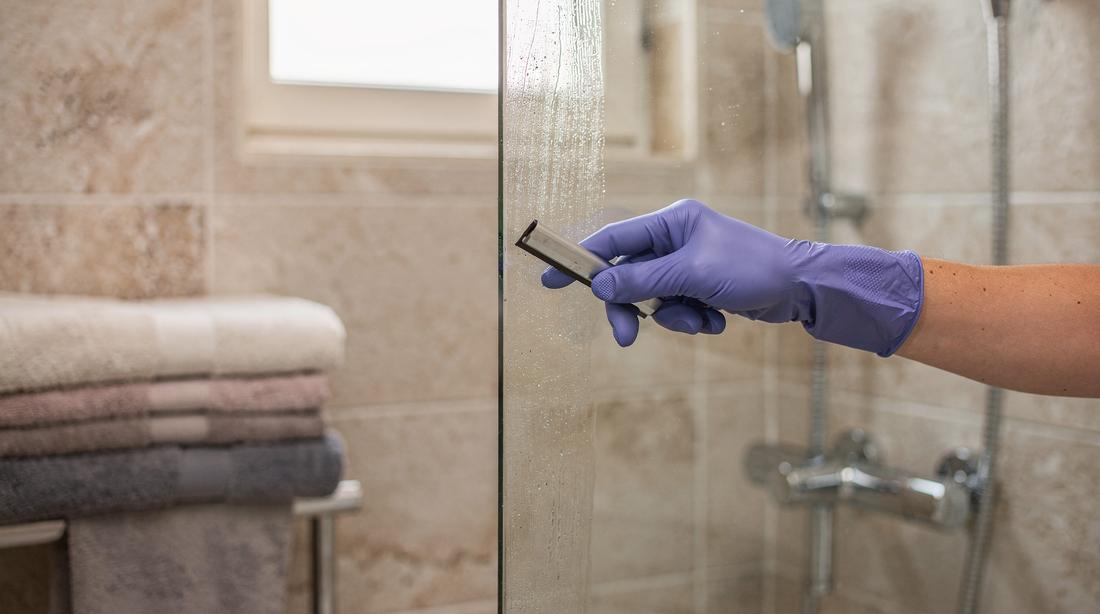
| Bathroom | Weekly | Damp, limescale, mould risk from moisture |
| Floors, main routes | Weekly | Shoes, pets, children |
| Living room surfaces | Every 1–2 weeks | Dust and daily use |
| Bedrooms | Every 2 weeks | Dust, textiles, low traffic |
| Bed linen | Every 1–2 weeks | Skin, sweat, dust mites |
| Guest room, spare room | Monthly | Dust only, unless in use |
| Windows, inside | Every 2–3 months | Visible film rather than hygiene |
| Appliance interiors | Every 3–6 months | A deep-clean task, not a weekly one |
✓ The rule this table gives you
Book the frequency your kitchen and bathroom need, and let the rest of the house come along for the ride. Choosing a lower frequency to save money means those two rooms fall behind, and they are the two rooms where falling behind actually matters.
Six things that change the answer
- People per square metre. Four people in 80 m² generate more work than two in 140 m². Occupancy beats floor area every time.
- Children. Floors, surfaces at knee height, bathrooms and laundry all move up a tier.
- Pets indoors. Hair and dander come back within days regardless of how well the previous visit went.
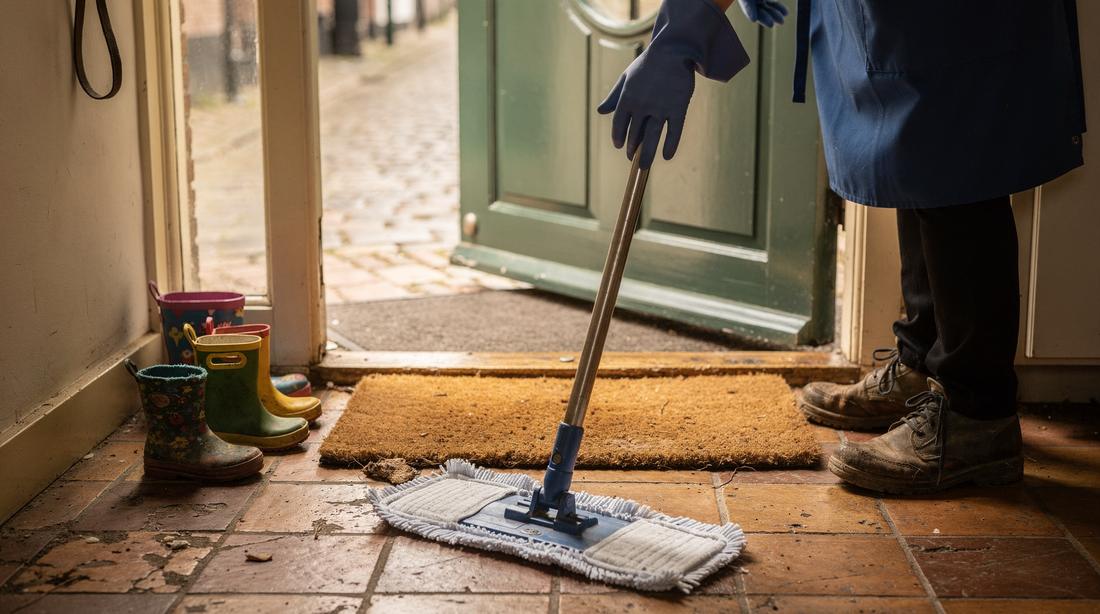
- Shoes on or off. A shoes-off household genuinely needs floors done less often — this one is free.
- Cooking style. Frying and roasting most days puts grease in the air, and grease is the thing that hardens if left.
- Allergies or asthma. Dust, dander and textiles justify weekly on health grounds rather than appearance.
★ The cheapest upgrade in cleaning
A decent doormat and shoes off at the door. The hall catches most of the street dirt in the house, and stopping it there removes work from every other room. It costs once and pays every week.
Weekly — for busy homes
Nothing accumulates, so each visit stays short and predictable, and the house never has a bad week. Choose this if you have children, indoor pets, a shared household, or if you simply want cleaning to be something you never think about.
Weekly is also the best value on our plans, because a fixed weekly round is predictable to staff and because there is never a backlog to work through. Each visit costs less than a monthly one does — the monthly total is higher because there are more visits, but you get the most for your money here.
Bi-weekly — the sensible default
For most couples and small households this is the right answer. Two weeks is short enough that kitchens and bathrooms never get away from you, and long enough that you are not paying for work that does not need doing yet.
The one thing bi-weekly asks of you is a little maintenance in between: wiping the hob, keeping the shower screen dry. Do that, and a fortnight holds comfortably.
Monthly — a top-up, not a strategy
Monthly works for one or two tidy people in a home that is already being maintained. What it cannot do is be your only cleaning: at four-week intervals limescale and grease get a real foothold, so each visit spends its time on remedial work instead of maintenance, and the visit gets longer every time.
⚠ The trap in monthly cleaning
People choose monthly to save money and end up paying more per unit of clean, because every visit fights accumulation. If the invoice is what matters most, a shorter weekly or bi-weekly visit is usually better value than a long monthly one.
Five signs you chose the wrong interval
- Each visit takes longer than the last. The clearest signal there is — work is accumulating faster than it is being removed.
- You tidy hard before the cleaner arrives. Some tidying is normal; a scramble means the interval is too wide.
- Limescale is always there. At the right frequency it is prevented rather than repeatedly removed.
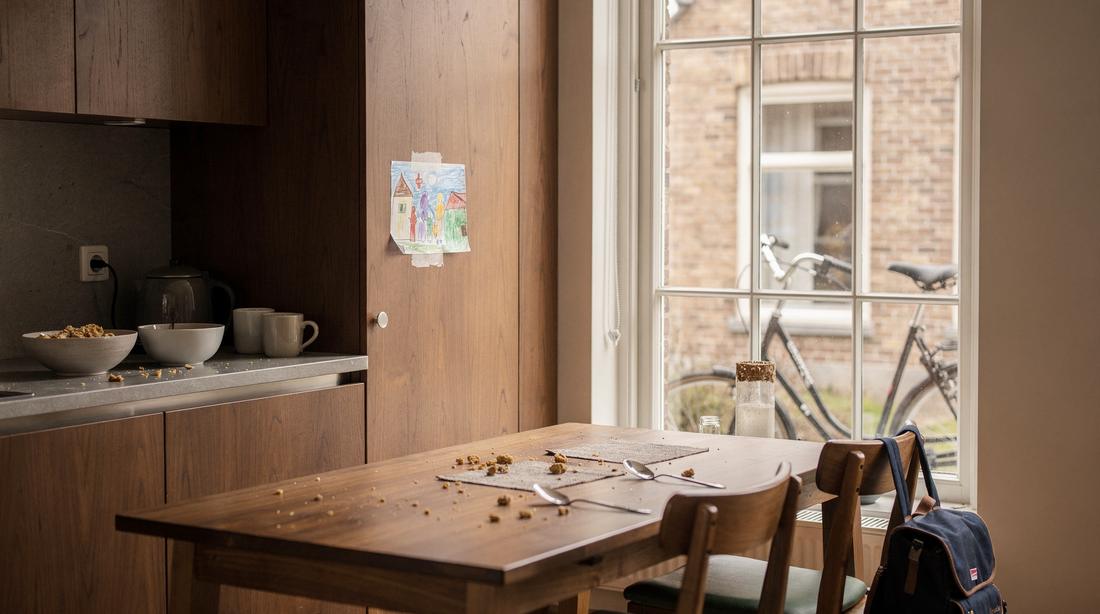
- The kitchen feels wrong by day four. Your kitchen is telling you its interval.
- You are disappointed after every visit. Usually not a quality problem — the hours booked are not enough for the state the house has reached.
That last one is worth taking seriously, because it is the point at which people conclude cleaning does not work for them, when the actual fix is a reset followed by a shorter interval.
Whatever you choose, start from a reset
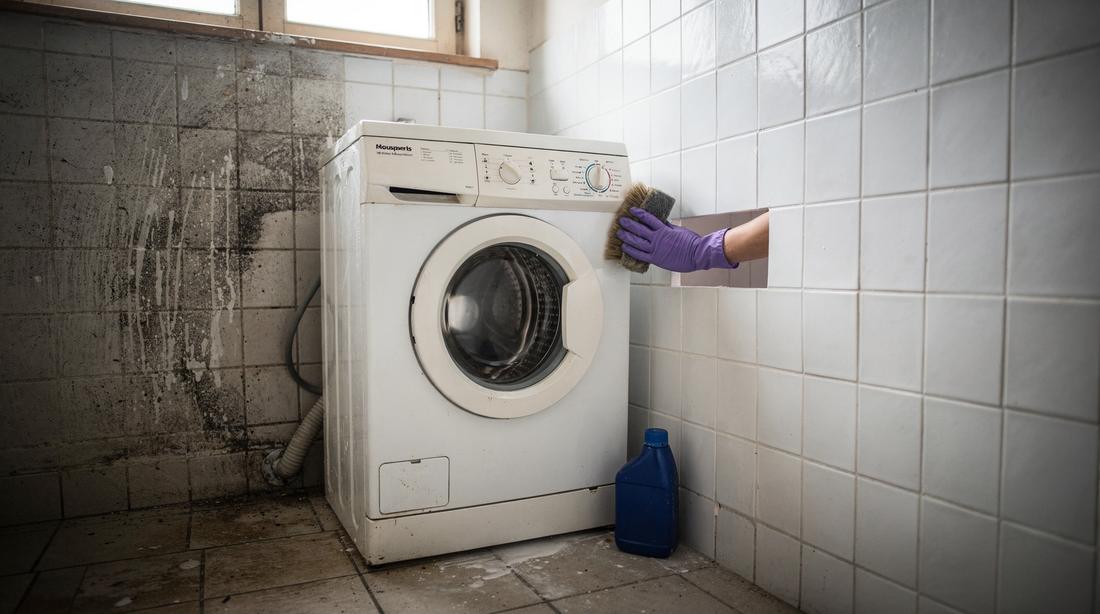
One rule matters more than the frequency itself: start from a clean baseline. Begin regular visits in a home carrying a backlog and the first several visits go on catching up rather than maintaining — you pay maintenance rates for remedial work, and the interval you chose never gets a fair test.
A single deep clean sets that baseline (from €260 incl. VAT — the work depends on the state of the home, so our manager fixes your price on site rather than quoting a flat total blind). After that, regular home cleaning holds it, with plans priced per visit from your own checklist, depending on frequency. There is more on how the two fit together in deep clean vs regular clean.
Every visit is confirmed on site with an NFC check-in and every finished area is photographed and reviewed before it is called done — so if an interval is not holding, you can see it in the record rather than guess. Not sure which tier fits? Tell us about your household and we will recommend one, including when the honest answer is the cheaper option.
Frequently asked questions
How often should I have a cleaner come?
Book the frequency your kitchen and bathroom need, because they set the pace for the whole house. In practice that means weekly for families, indoor pets and shared households; bi-weekly for most couples and small households; monthly only for one or two tidy people in a home that is already maintained.
Is weekly cleaning worth the money?
Per hour it is the best value on our plans, because a fixed weekly round is predictable and because there is never a backlog to work through — so each visit is genuinely maintenance. The total is higher than monthly simply because there are more visits. If the monthly invoice is the constraint, a shorter weekly visit often beats a long monthly one.
Is monthly cleaning enough?
As a top-up for a home that is already being maintained, yes. As your only cleaning, usually not: at four-week intervals limescale and grease get a foothold, so each visit spends its time on remedial work rather than maintenance and gets longer every time.
How do I know my cleaning frequency is wrong?
The clearest sign is that each visit takes longer than the last — work is accumulating faster than it is being removed. Others: you tidy frantically before the cleaner arrives, limescale is permanently present, or the kitchen already feels wrong by day four.
Do I need a deep clean before starting regular visits?
If the home has a backlog, yes — and for a practical reason. Regular visits are priced as maintenance, so starting without a reset means the first several visits go on catching up instead. You pay maintenance rates for remedial work and never find out whether your chosen interval actually works.