




The short answer
- The standard is normally "broom clean" plus the condition in your check-in report — dig that report out before you start.
- The oven and the extractor filter cause more deductions than anything else in the property.
- Window rebates, frames and sills are on the form and almost always forgotten.
- Photograph every room on handover day, with the date visible. It settles disputes instantly.
- A 100 m² flat takes 6–10 hours to do properly — plan it as a full day, not an evening.
What’s in this guide
Deposits are rarely withheld over big, obvious damage. They are withheld over an oven that was wiped but not degreased, a filter nobody thought about, and a set of window rebates that were never on anyone's list. An empty property is a merciless thing: every mark the sofa was hiding is now at eye level, in daylight, with someone holding a clipboard. This checklist covers what actually gets inspected in a Dutch rental, in the order it gets inspected — plus how to document the handover so a disagreement later is settled by photographs rather than memory.
The standard you are actually held to
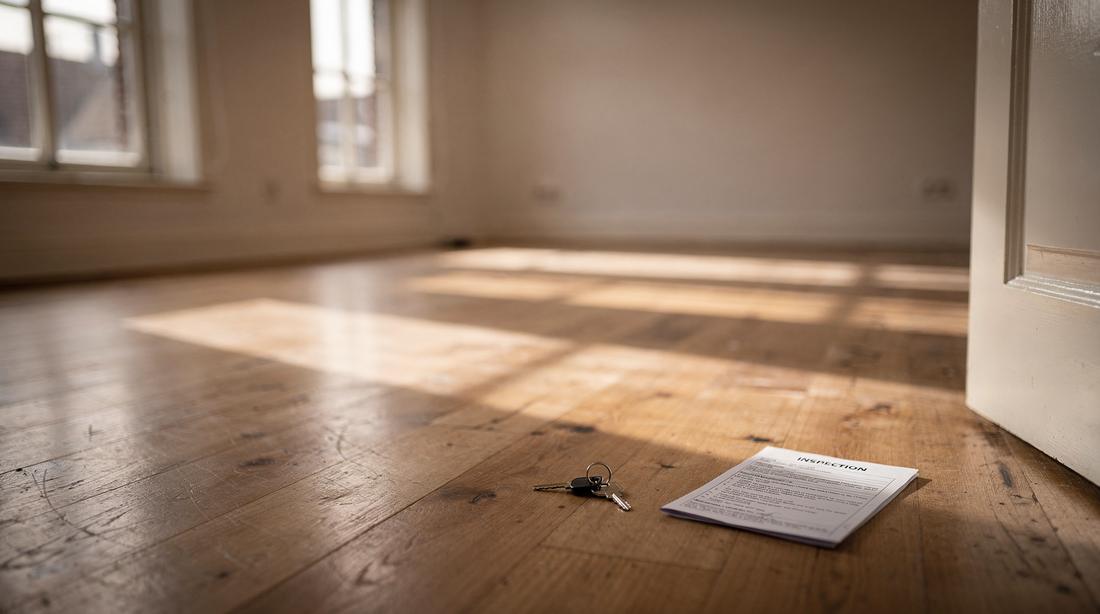
Before you clean anything, find your check-in report — the inspection document and photographs from the day you moved in. In the Netherlands this is the reference point for the whole discussion. You are not required to hand back a brand-new property; you are required to hand it back in the state recorded at check-in, minus normal wear and tear.
That distinction matters, because it works in your favour more often than tenants expect:
| Usually normal wear | Usually chargeable |
|---|---|
| Faded paint, small scuffs at furniture height | Grease films, limescale, mould, ingrained dirt |
| Minor carpet flattening in walkways | Stains, burns, pet odour in carpet |
| Small nail holes, if your contract allows them | Unfilled drilled holes and shelf brackets left behind |
| Worn tap finish | Scale on taps, screens and shower heads |
Almost everything in the right-hand column is a cleaning issue, not a damage issue. That is precisely why a thorough clean is the cheapest way to protect a deposit.
ℹ Check your contract for two words
Look for whether you owe the property "bezemschoon" (broom clean) or "schoon en leeg" / professionally cleaned. Some agreements also require carpets to be professionally cleaned or the walls returned to their original colour. Those clauses set the bar, so read them before you decide what to skip.
Kitchen — this is where deposits are lost
If you only have time to do one room properly, do this one. It carries more deduction risk than the rest of the property combined.
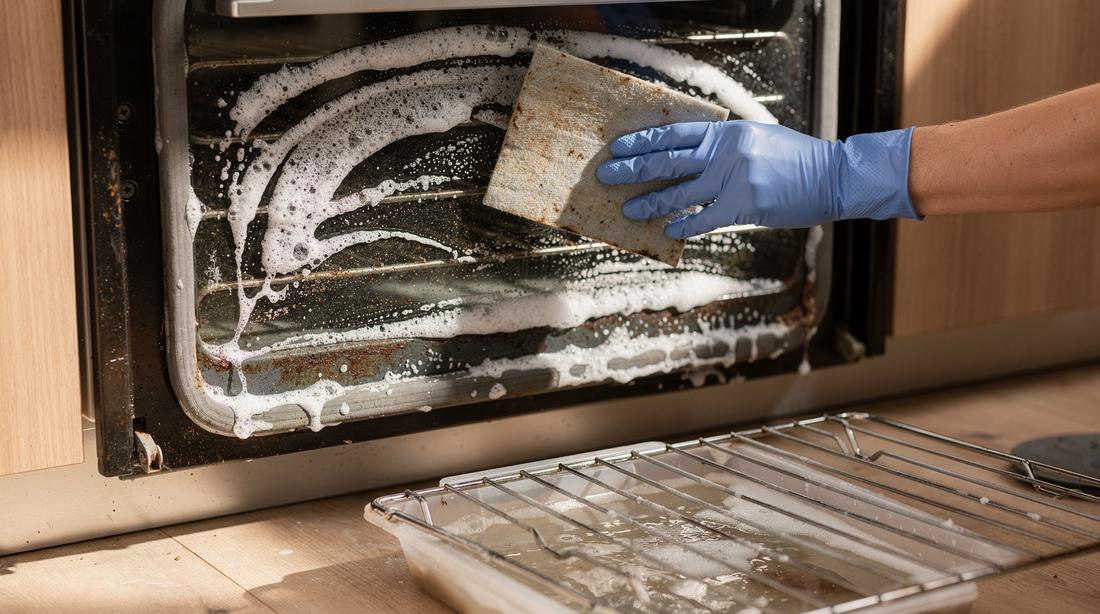
- Oven, inside. Racks, walls, roof, door glass and the seal. Apply the degreaser and let it dwell — the effort is chemistry, not scrubbing.
- Extractor hood filter. Wash it or replace it. A greasy filter is a guaranteed comment on the report and it costs a few euros to replace.
- Fridge and freezer. Defrosted, washed, dried, and left with the door ajar so it does not go mouldy before the next tenant arrives.
- Every cupboard and drawer, inside. Crumbs and grease in the corners; wipe the top edges of the doors too.
- Hob, splashback and the wall behind it. Including the burner rings and any drip trays.
- Sink, tap and plughole. Descale the tap and the aerator; clear the trap.
- Dishwasher and washing machine. Filter, rubber seal and detergent drawer — all three, all commonly missed.
- Worktop edges and the seal against the wall, where dark build-up collects.
Nobody loses a deposit because the kitchen looked untidy. They lose it because the oven was clean to the eye and greasy to the finger.
Bathroom — scale, seals and the extractor
- Descale taps, shower head, shower screen and tiles. Limburg water is hard, so this usually needs two passes rather than one hard one.
- Treat mould on grout and silicone. If the silicone is genuinely blackened through, replacing that bead is far cheaper than the deduction.
- Toilet including the base, the hinges and behind the pan.
- Clear the drain and shower trap; remove hair from the waste.
- Clean the extractor grille and, if it lifts out, the fan behind it.
- Mirrors, cabinet interiors, radiator and towel rail.
Living rooms and bedrooms
- Walls checked for marks; fill and touch up small holes if your contract requires it.
- Skirting boards, door frames, doors and both sides of every door handle.
- Light fittings, lampshades, switches and sockets.
- Radiators, including behind and underneath them.
- Built-in wardrobe interiors, shelves and the tops of doors.
- Cobwebs in ceiling corners — an empty room shows every one of them.
Windows, frames and doors
This is the section that most reliably loses people marks, because the glass gets cleaned and the rest does not.
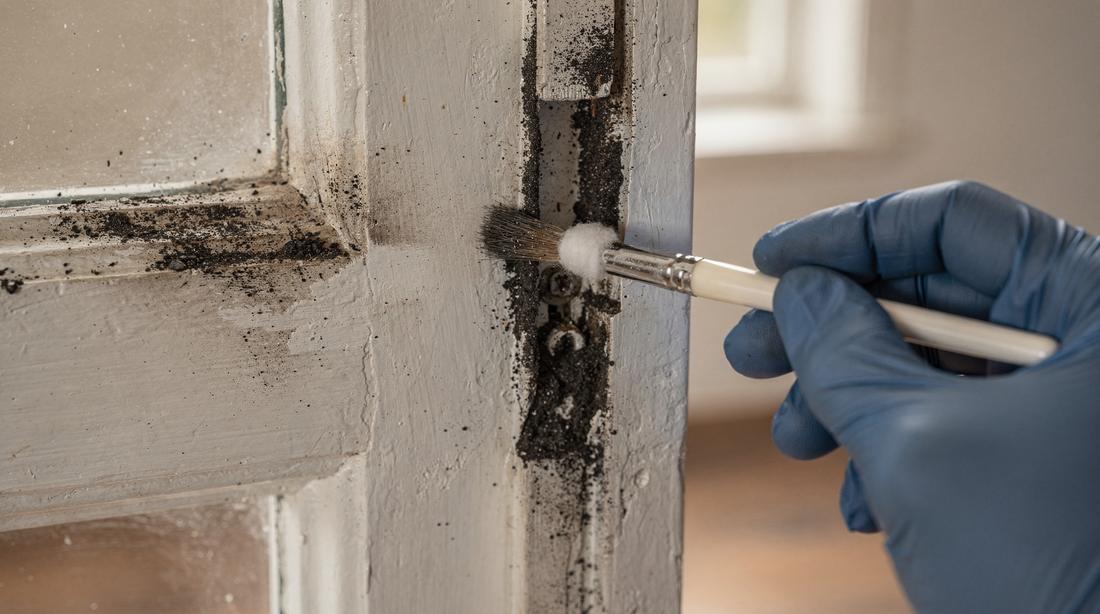
- Glass inside and, where you can safely reach, outside.
- Window rebates and the channels the window closes into — the single most forgotten item in a move-out clean.
- Sills, frames and handles.
- Insect screens, blinds and any curtain rails left in place.
- The front door, both sides, plus the letterbox and bell.
⚠ Do not take risks for a deposit
Upper-floor exterior glass is not worth a fall. If the outside of the windows is genuinely required and you cannot reach it safely from inside, that is a job for a glass cleaner with poles and insurance — and it costs a fraction of the deposit you are protecting.
Floors and carpets
Hard floors: vacuum, then mop, and pay attention to the perimeter and the corners where a vacuum head does not reach. Check for adhesive residue from furniture pads.
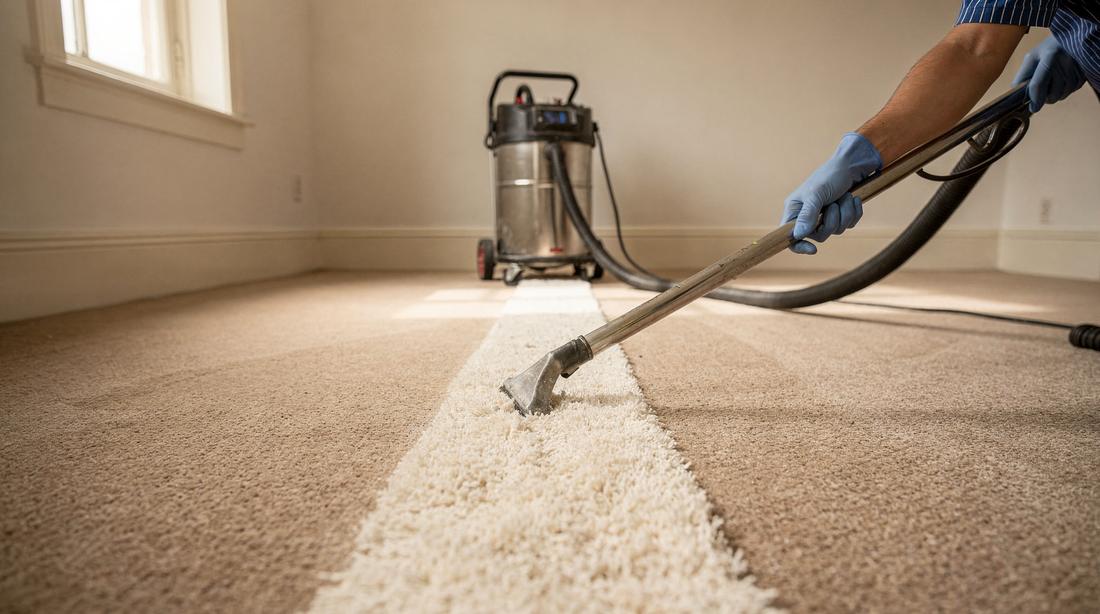
Carpet is different. If the property came carpeted, "clean" in an inspector's vocabulary usually means extracted, not vacuumed — and if your contract explicitly requires professional carpet cleaning, a receipt is the thing that ends the conversation. Pet odour in particular does not respond to surface cleaning at all; it needs the pile treated properly.
The nine most forgotten items
Every one of these appears on inspection reports and none of them appears on the average tenant's list:
- Extractor hood filter.
- Window rebates and closing channels.
- The top edges of doors and door frames.
- Washing machine filter, seal and detergent drawer.
- Behind and underneath the radiators.
- The inside of the letterbox flap.
- Skirting boards behind where furniture stood.
- The bathroom extractor grille.
- The balcony or terrace, including the drain.
✓ Work in the inspector's order
Walk the property the way they will: front door, hall, each room clockwise, kitchen, bathroom, then outside space and storage. Doing your final check in their sequence is how you catch what your cleaning sequence missed.
Protect yourself with proof
The cleaning protects the property. The photographs protect you.
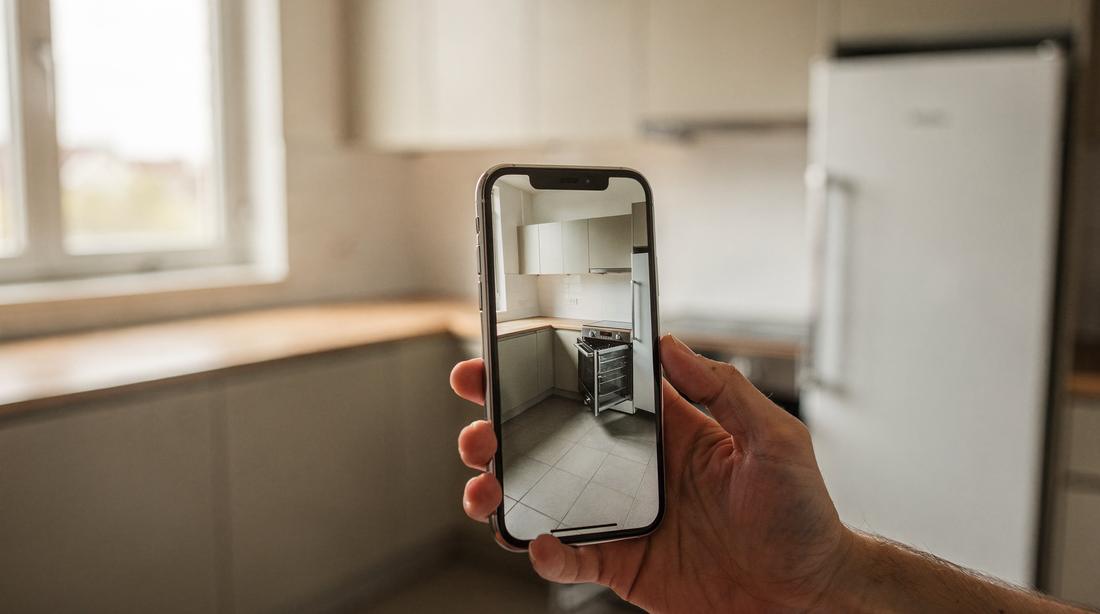
- Photograph every room once it is empty and clean, plus close-ups of the oven interior, fridge, bathroom and any pre-existing damage recorded at check-in.
- Photograph the meter readings and the keys you are handing over.
- Attend the final inspection in person if you possibly can, and get the report in writing before you leave.
- Keep any cleaning invoice. If your contract required professional cleaning, that receipt is the proof it happened.
This is the same logic we apply to our own work: every visit is confirmed on site with an NFC check-in and every finished area is photographed and reviewed before the job is called done. Documented work is simply harder to argue with.
Doing it yourself versus booking it
A proper end-of-tenancy clean on a 100 m² flat is 6 to 10 hours of real work, and it lands in the same week as packing, a van, and a new address. That is the honest trade-off — not whether you are capable of it.
€ What it costs to hand it over
Our move-in / move-out clean starts from €325 including VAT, and our manager gives you a fixed all-in price after a short visit, so you know the figure before we start. You get the room-by-room standard we work to in writing, plus the photo review of every finished area — which is exactly the documentation a deposit dispute needs. Get your exact price.
Moving out of the property as well as cleaning it? We also do the moving itself, which means one company, one date, and no gap between the van leaving and the keys being handed back.
Frequently asked questions
What does "bezemschoon" actually require?
Literally "broom clean": emptied of your belongings, swept, and free of rubbish. In practice most landlords and agents expect more than that — appliances clean inside, no grease, no limescale, no mould. Check your contract wording, because some agreements go further and specify professional cleaning or professionally cleaned carpets.
Can my landlord keep my deposit for cleaning?
They can withhold a reasonable amount for cleaning that is genuinely needed to return the property to its check-in condition, but not for normal wear and tear, and not for a standard higher than your contract sets. This is why the check-in report and your own handover photographs matter so much: they define what the property looked like when you took it on and when you gave it back.
How long does an end-of-tenancy clean take?
Six to ten hours of focused work for a 100 m² flat, more if the oven has not been degreased in a while or the property is carpeted. The kitchen alone is usually a third of it. Treat it as a full day rather than an evening job, and do it after the property is empty — cleaning around boxes roughly doubles the time.
Do I have to have the carpets professionally cleaned?
Only if your contract says so — but read it carefully, because that clause is common in Dutch tenancy agreements. Where it applies, keep the invoice: the receipt is what proves compliance. Even where it is not required, extraction is the only thing that lifts stains and pet odour out of the pile rather than moving them around.
What is the one thing tenants forget most often?
The extractor hood filter, closely followed by the window rebates — the channels the window closes into. Both appear on inspection forms and neither appears on most people's cleaning list. The filter usually costs a few euros to replace, which makes it the cheapest deduction to avoid in the entire property.