

The short answer
- Construction dust is heavier and more abrasive than household dust — and it scratches new finishes.
- It settles three times, which is why one pass never works.
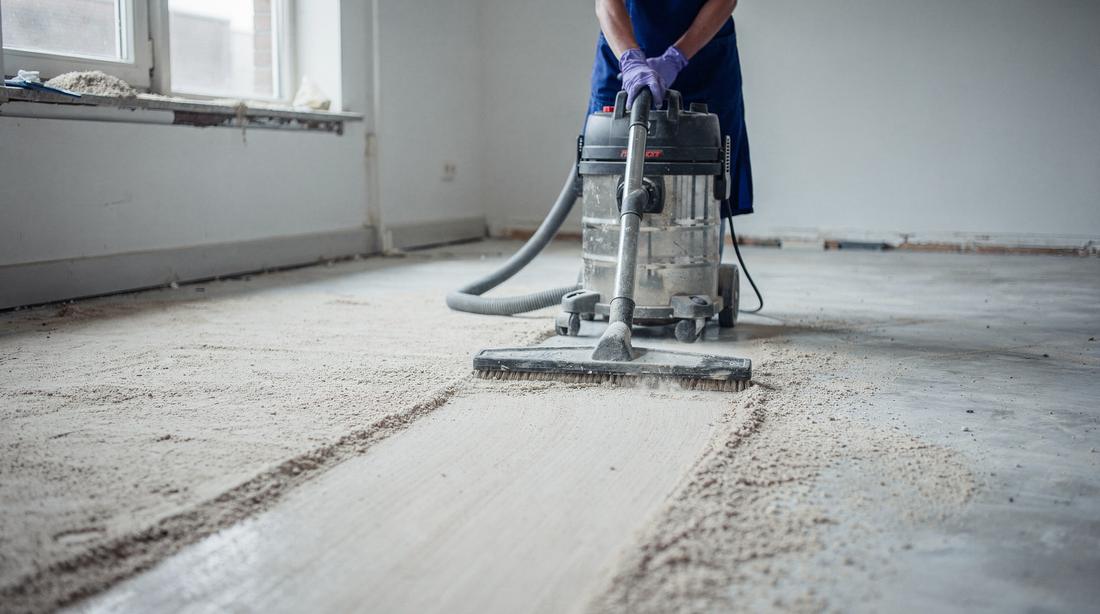
- A household vacuum blows the finest particles back out. This job needs a HEPA machine.
- New surfaces mark easily. Scrape glass wet, never dry, and go gentle on fresh paint.
- Book the handover clean after the last trade leaves, not alongside them.
What’s in this guide
The most common mistake after a renovation is treating the clean-up as a big version of a normal clean. It is not. Construction dust behaves differently from household dust — it is heavier, more abrasive, and it hangs in the air for hours before settling, which means it lands on surfaces you already cleaned. Add fresh finishes that mark easily and adhesive residue that will scratch glass if you attack it dry, and you have a job with its own rules. Here they are.
Construction dust is not household dust
Household dust is mostly fabric fibre and skin — light, soft, and easy to lift. Construction dust is ground mineral: plaster, cement, sawn timber, cut tile. That difference has three practical consequences.
- It is abrasive. Wiping a dusty new surface with a dry cloth drags mineral particles across it — which is exactly how a brand-new worktop or a fresh painted wall picks up its first fine scratches.
- It is heavy. It travels further than you expect and settles hard, packing into corners, tracks and fins rather than resting on top.
- It is fine enough to pass through a domestic vacuum and be blown straight back into the room through the exhaust. This is the single most common reason a room "will not stop being dusty".
⚠ Do not dry-dust a renovation
Everything comes off damp, with a clean cloth face for each area. Dry-dusting redistributes mineral particles into the air, where they settle again an hour later, and grinds them into the finishes you have just paid for.
Why it takes three passes
Fine dust stays airborne for hours. Clean a room once and the material still suspended in the air lands on it overnight. That is not bad cleaning — it is physics, and it is why post-construction cleaning is quoted as a staged job rather than a single visit.
- First pass takes the bulk: debris, heavy deposits, protection sheeting.
- Second pass, after the air has settled, takes what came down since.
- Third pass is detail and finish — glass, fittings, the final floor.
Anyone quoting a renovation clean as one quick visit either has not seen the property or is planning to leave after the first pass.
Rough clean, deep clean, handover
| Stage | When | What it covers |
|---|---|---|
| Rough clean | During the build, between trades | Debris, offcuts, gross dust — keeps the site workable |
| Deep clean | After the last trade leaves | All surfaces, inside cupboards, frames, fittings, floors |
| Handover clean | Just before you move in or hand over | Detail, glass, final floor, the settled layer |
Most domestic renovations need the last two. Skipping the handover clean is what leads to that persistent film reappearing for weeks.
Surfaces that need care, not force
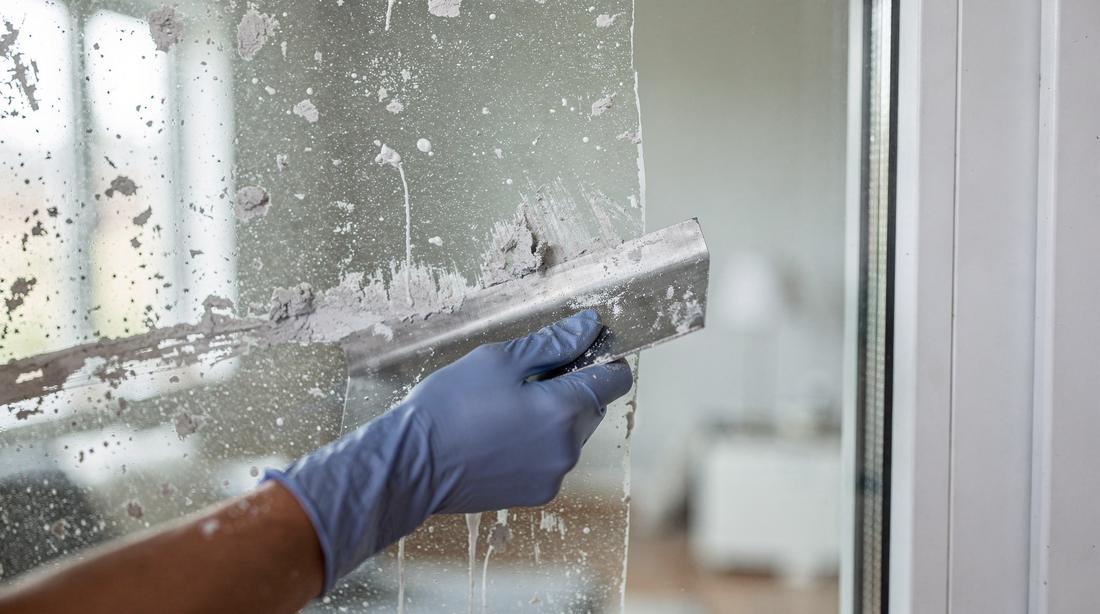
- Glass with paint, plaster or adhesive. Wet the pane first, then use a blade at a low angle. Dry scraping puts permanent fine scratches into new glass, and on toughened glass they cannot be polished out.
- Fresh paint. Emulsion needs weeks to fully cure. Scrubbing it in the first fortnight burnishes it — leaving a shiny patch that shows in raking light forever.
- New natural stone. Often unsealed at handover. Acidic cleaners etch marble and limestone on contact.
- New timber floors. Minimal water. Oiled floors especially do not want a wet mop before their first maintenance coat.
- Chrome and brushed fittings. Cement residue must be dissolved, not scoured — a scouring pad ruins a brushed finish in one stroke.
- Silicone beads. Fresh silicone can still be soft. Aggressive cleaning drags it out of the joint.
The places everyone misses
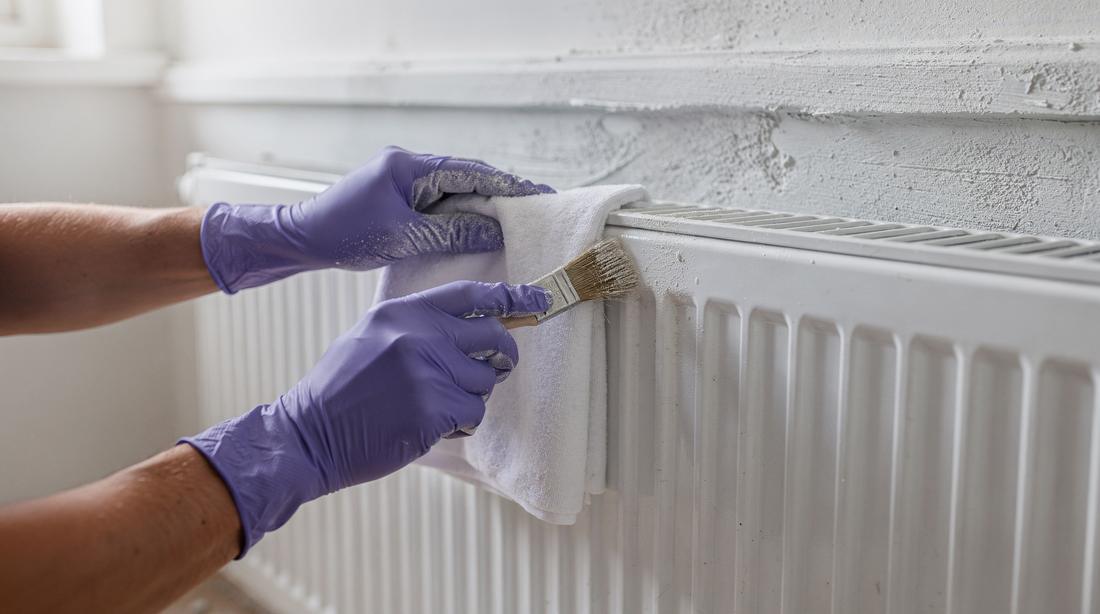
These are where dust hides and then reappears a week later, which is what makes a renovation feel like it never got clean:
- Radiator fins, top and between — plaster dust packs into them and drifts out with the first heating cycle.
- Window tracks and the rebate the window closes into.
- The tops of doors and door frames, and the top edge of every kitchen cupboard.
- Around sockets and switches, where cutting dust collects at the edge of the faceplate.
- Inside new kitchen units, which are almost always fitted with sawdust already inside them.
- Extractor and ventilation grilles, which will otherwise blow the dust back at you.
- Light fittings and the tops of skirting boards.
- Under and behind new appliances, if they were installed before the final clean.
When to book it
After the last trade has left, not alongside them. It sounds obvious and it is the most common scheduling mistake: booking the handover clean while a carpenter still has two days of cutting to do simply means paying for it twice.
✓ Sequence that works
- All trades finished and their materials removed from site.
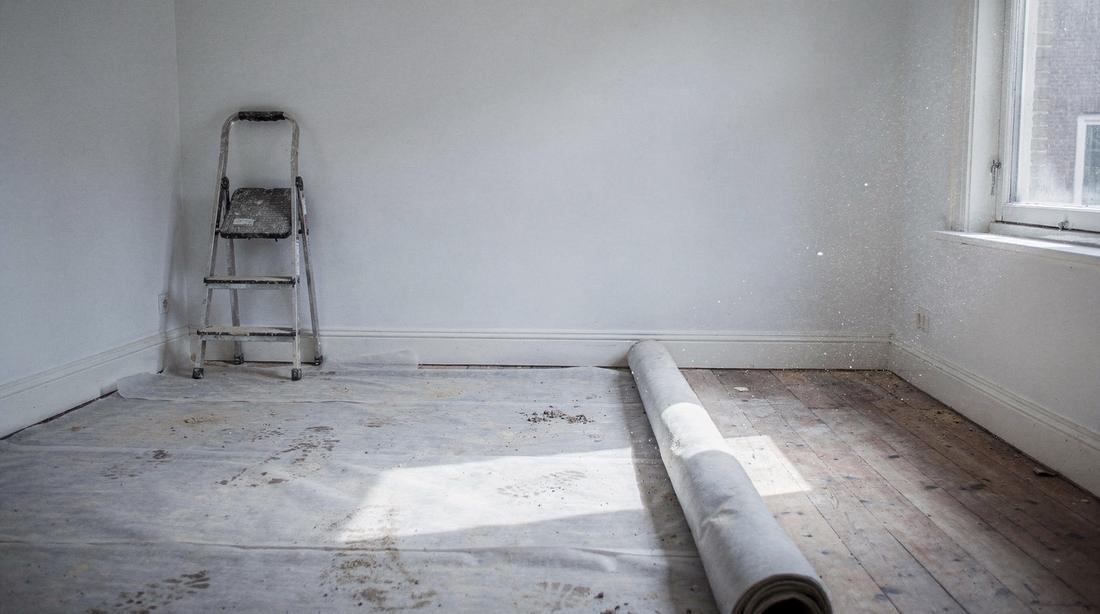
- Protection sheeting lifted and taken away.
- Deep clean.
- Let the air settle overnight.
- Handover clean, including glass and final floor.
- Move in.
If you are moving in immediately afterwards, this connects straight to a move-in clean, and the two are usually better booked together than separately.
How it is priced
€ Prepaid hours, confirmed on site
Post-construction work is bought as prepaid hours, because the amount of dust and residue left behind varies enormously between builds and cannot be judged from floor area. You buy a block of hours at a rate known up front; the manager confirms the real hours on site before starting, and anything beyond that is approved and prepaid by you first. Send photos for an hours estimate.
Details on the post-construction cleaning page. Every visit is confirmed with an NFC check-in and every finished area is photographed and reviewed — useful on a handover, where you may be signing off a property you are not standing in.
Frequently asked questions
Why does dust keep coming back after a renovation?
Because fine construction dust stays airborne for hours. Clean a room once and whatever is still suspended settles onto it overnight. That is why post-construction cleaning takes three passes: bulk removal, a second pass after the air has settled, then detail and finish. A single visit will always be followed by a returning film.
Can I use a normal vacuum after building work?
Not for the fine dust. Construction dust is ground mineral and fine enough to pass through a domestic vacuum's filtration and be blown straight back into the room through the exhaust. That is the single most common reason a room seems never to stop being dusty. The job needs a HEPA-filtered machine.
How do I get paint or plaster off new windows?
Wet the glass first, then use a blade held at a low angle. Never scrape dry — construction residue under a dry blade puts permanent fine scratches into new glass, and on toughened glass those cannot be polished out afterwards.
When should the post-construction clean be booked?
After the last trade has left and their materials are off site, not alongside them. Booking it while a carpenter still has two days of cutting to do means paying for the same clean twice. The working sequence is: trades finished, protection sheeting removed, deep clean, let the air settle overnight, then handover clean including glass and final floor.
Why is post-construction cleaning not quoted per square metre?
Because the amount of dust and residue varies enormously between builds and has almost nothing to do with floor area. A small bathroom refit with tile cutting can leave more work than a large room that was only painted. It is bought as prepaid hours at a known rate, with the real hours confirmed on site before work starts.